

June 30, 2026
For years, in-game advertising in AAA titles has represented one of marketing's most exciting opportunities. On paper, it's a dream channel: massive reach, deep engagement, and audiences spending tens or even hundreds of hours inside virtual worlds. While brands and publishers have successfully delivered impactful campaigns, scaling those opportunities across multiple titles, regions, and advertisers has often required bespoke partnerships, longer planning cycles, and significant collaboration.
That's why Electronic Arts' launch of EA Advertising is such a meaningful development for the industry. Rather than replacing existing approaches, it adds another scalable route for brands to engage gaming audiences and signals that in-game advertising is becoming an increasingly mature media channel.

Historically, premium in-game advertising often involved:
These bespoke activations have produced some of the industry's most memorable brand experiences. However, they have also meant that many opportunities were best suited to larger advertisers with the budgets and timelines to support them. As demand for gaming media continues to grow, the industry has been looking for additional ways to make premium in-game inventory more accessible and scalable.
EA Advertising expands that opportunity by productizing in-game placements across some of the world's most-played franchises, including EA Sports FC, Madden NFL, and The Sims 4. Instead of building every campaign from scratch, brands can access standardized, contextual inventory such as:
The key difference is that these formats are designed to fit naturally within the game environment, enabling brands to activate more efficiently while maintaining immersion.
EA's early brand partners include Visa, Red Bull, Lowe's, Mountain Dew, Xfinity, and Peacock. Early performance figures suggest strong engagement:
These results highlight how thoughtfully integrated brand experiences can encourage active participation rather than simply delivering impressions.

Perhaps the biggest takeaway isn't the technology—it's the importance of context.
Sports games already strive for authenticity. Real stadiums feature advertising. Real broadcasts include sponsorship. When brands appear in these environments, they often enhance realism rather than interrupt it.
This reinforces an important principle for the wider industry: the most effective in-game advertising is designed around the player experience. Whether delivered through bespoke brand partnerships or scalable advertising platforms, success comes when advertising feels like a natural part of the environment.
EA Advertising represents another milestone in gaming's evolution as a media channel. It points toward a future where:
For marketers navigating declining attention across traditional digital channels, these high-attention, context-rich environments are becoming increasingly valuable.
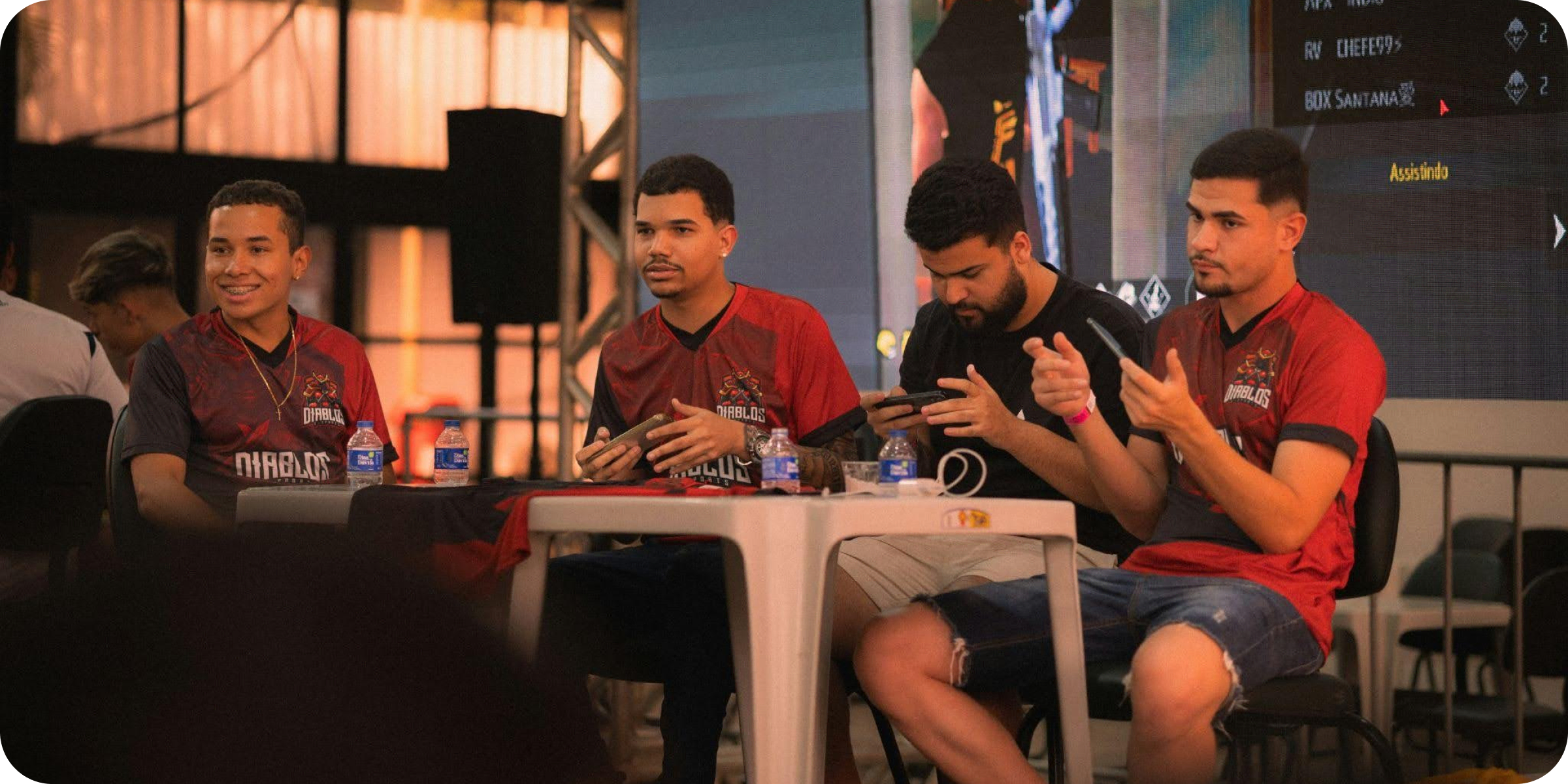
Southeast Asia is one of the fastest-growing gaming markets in the world. Across Indonesia, Malaysia, the Philippines, Thailand, Vietnam, and Singapore:
For brands targeting Gen Z and Millennials, the touchpoints that matter are evolving rapidly. Games, creators, esports, and virtual experiences are increasingly where culture happens. In-game advertising—when executed thoughtfully and contextually—allows brands to meet audiences in those moments.
Gaming preferences differ across Southeast Asia, but the region shares a deep enthusiasm for competition, community, and entertainment. From sports titles to mobile games and esports, there are multiple environments where brands can connect authentically with players.
While console gaming continues to grow, Southeast Asia remains predominantly mobile-first. That means brands benefit from partners that can activate across multiple platforms, formats, and audiences rather than relying on a single ecosystem.
Regional marketers often prioritise measurable outcomes, flexible budgets, and scalable execution. As more standardized advertising products emerge alongside premium bespoke activations, brands have more options than ever to tailor campaigns to their objectives.
The evolution of platforms like EA Advertising also creates opportunities for regional specialists to help brands navigate an increasingly diverse gaming landscape.
Ampverse Pixel helps brands connect with gaming audiences across Southeast Asia through a broad portfolio of in-game media, esports, creators, communities, and immersive experiences.
Whether through native in-game advertising, esports sponsorships, creator collaborations, gaming communities, or virtual experiences, Ampverse helps brands build campaigns that resonate with local audiences across multiple gaming environments.
Every Southeast Asian market is different. Ampverse combines regional audience intelligence with campaign analytics to help brands understand where to invest and how to measure success.
As more premium gaming inventory becomes available—from publisher platforms like EA Advertising through to independent gaming ecosystems—Ampverse enables brands to build integrated campaigns across multiple publishers, genres, and platforms rather than relying on a single channel.
Gaming is driven by communities as much as content. By combining media with creator partnerships and community activations, brands can extend campaigns beyond in-game placements into broader cultural conversations.
EA's new advertising platform isn't replacing existing in-game advertising—it expands the ecosystem. It demonstrates growing confidence from one of the world's largest publishers that gaming deserves a larger share of media investment.
For brands, that means:
As the market grows, the industry's shared challenge remains the same: ensuring advertising enhances rather than distracts from gameplay. The most successful campaigns will always be those that respect player experience while delivering genuine value for brands.

Gaming is rapidly becoming one of the most important environments for modern brand building, particularly across Southeast Asia. Platforms like EA Advertising represent an important step in making premium in-game media more accessible at scale. At the same time, regional partners like Ampverse help brands unlock the full opportunity by combining in-game advertising with creators, esports, communities, and local market expertise.
The future of gaming marketing won't be defined by a single platform or publisher. It will be built through an ecosystem of complementary solutions that help brands engage players authentically, at scale, and in ways that add value to the overall gaming experience.

.svg)


