

April 7, 2026
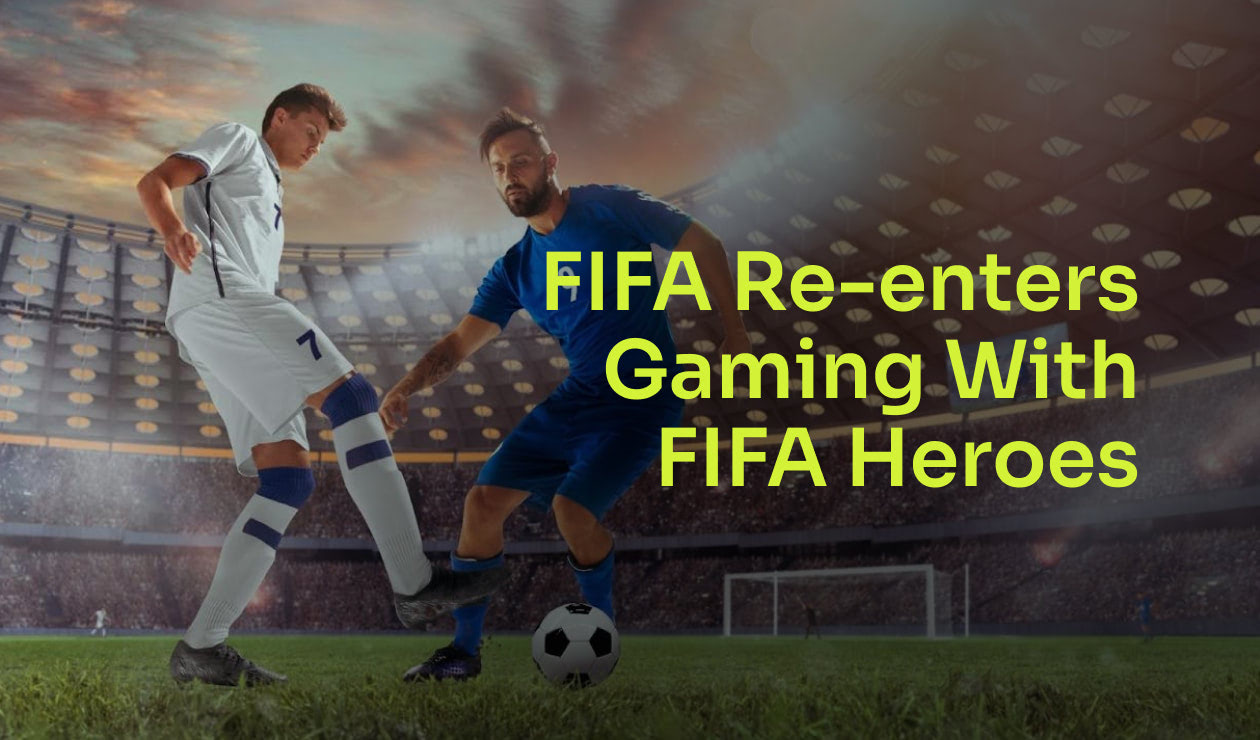
After nearly four years away from the video game market, FIFA is officially re-entering interactive entertainment with FIFA Heroes, scheduled for release on 28 April 2026. This is not simply a new game launch; it marks a strategic shift in how FIFA intends to participate in the global gaming ecosystem, moving from a licensing-first model to a platform-driven, audience-centric approach.
Crucially, the timing places FIFA Heroes directly in the runway toward the FIFA World Cup 2026, creating a rare convergence between live global sport and always-on digital play.

Following the conclusion of its long-standing partnership with Electronic Arts, FIFA has deliberately avoided re-entering the market with a traditional football simulation. Instead, FIFA Heroes adopts a fast-paced, arcade-style 5-a-side format that prioritises accessibility, spectacle, and short-session play over realism.
This repositioning achieves two strategic objectives. First, it avoids direct competition with EA Sports FC. Second, it aligns FIFA with modern gaming consumption patterns, where free-to-play mechanics, social engagement, and live-service updates now drive scale.
FIFA Heroes is launching across mobile, PC, and console, with a clear emphasis on cross-platform reach and free-to-play accessibility. The game blends real-world footballers and legends with mythological and fantasy-inspired characters, a hybrid IP strategy designed to extend appeal beyond core football purists.
From a strategic standpoint, the product reflects three priorities:
These choices mirror where the next generation of sports gaming growth is coming from: emerging markets, culturally adjacent content, and service-led engagement rather than annual boxed releases.
From a B2B perspective, FIFA Heroes positions FIFA as a brand-led platform owner, not simply an IP licensor. This opens new commercial pathways across partnerships, advertising, and content integration:
This model is particularly well aligned with high-growth markets such as Southeast Asia, Latin America, and the Middle East regions, where football fandom and mobile gaming overlap at a massive scale.

As brands plan for World Cup 2026, one reality is increasingly clear: football fans are not only watching matches, they are playing, competing, and socialising inside games.
Gaming environments deliver up to 2.5 times higher attention compared to standard digital channels, especially within football and sports-adjacent titles, where context and mindset are already aligned with the tournament. Unlike traditional media, gaming enables brands to engage fans during moments of active participation, not passive consumption.
Through in-game and around-game formats, including banners, interstitials, rewarded video, audio placements, and football-themed mini-games, brands can reach fans before, during, and after matches, extending World Cup relevance far beyond live broadcasts.
This is where Ampverse Pixel plays a critical role.
Ampverse Pixel enables brands to activate football-aligned gaming campaigns across a curated portfolio of sports and casual titles, delivering scale, attention, and cultural relevance in one ecosystem. Campaigns can be tailored based on brand objectives:
Rather than competing for attention during ad breaks, brands become part of the play experience, connecting with audiences where passion meets interaction.
FIFA’s return to gaming through FIFA Heroes signals a broader shift in how global sports properties think about growth. The future of sports engagement is not simulation-centric, nor limited to match days. It is platform-agnostic, service-driven, and culturally embedded.
For brands planning FIFA World Cup 2026 strategies, gaming is no longer optional. It is where the next generation of football fans already live. The opportunity now is to design campaigns that move at the speed of culture, not just media schedules. As FIFA redefines its role in gaming and World Cup 2026 approaches, the question for brands is no longer if gaming should be part of the plan, but how.
Ampverse Pixel offers brands a direct pathway to reach football fans where passion meets play. Not during ad breaks. Not after the match, but inside the games, football fans choose to spend time every day. If your World Cup 2026 strategy is focused on attention, engagement, and cultural relevance, gaming is the channel, and Ampverse Pixel is the opportunity. Let’s discuss how gaming can amplify your FIFA World Cup 2026 strategy.
.svg)


