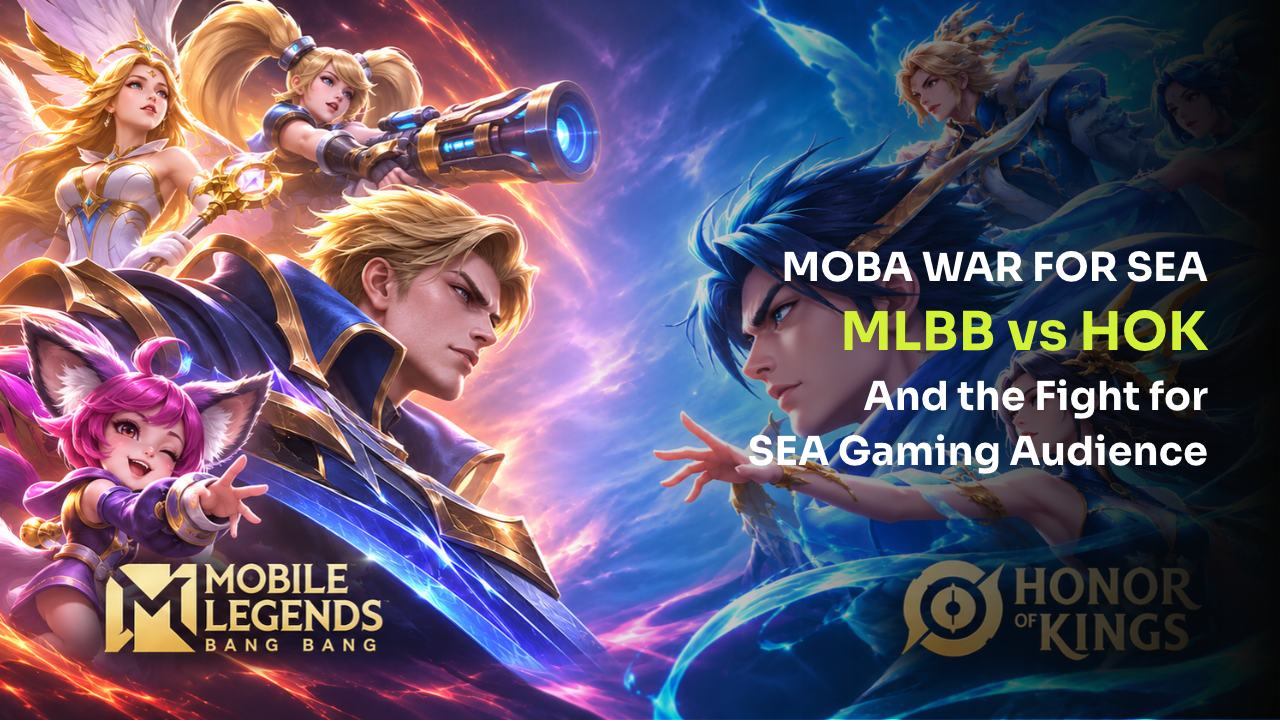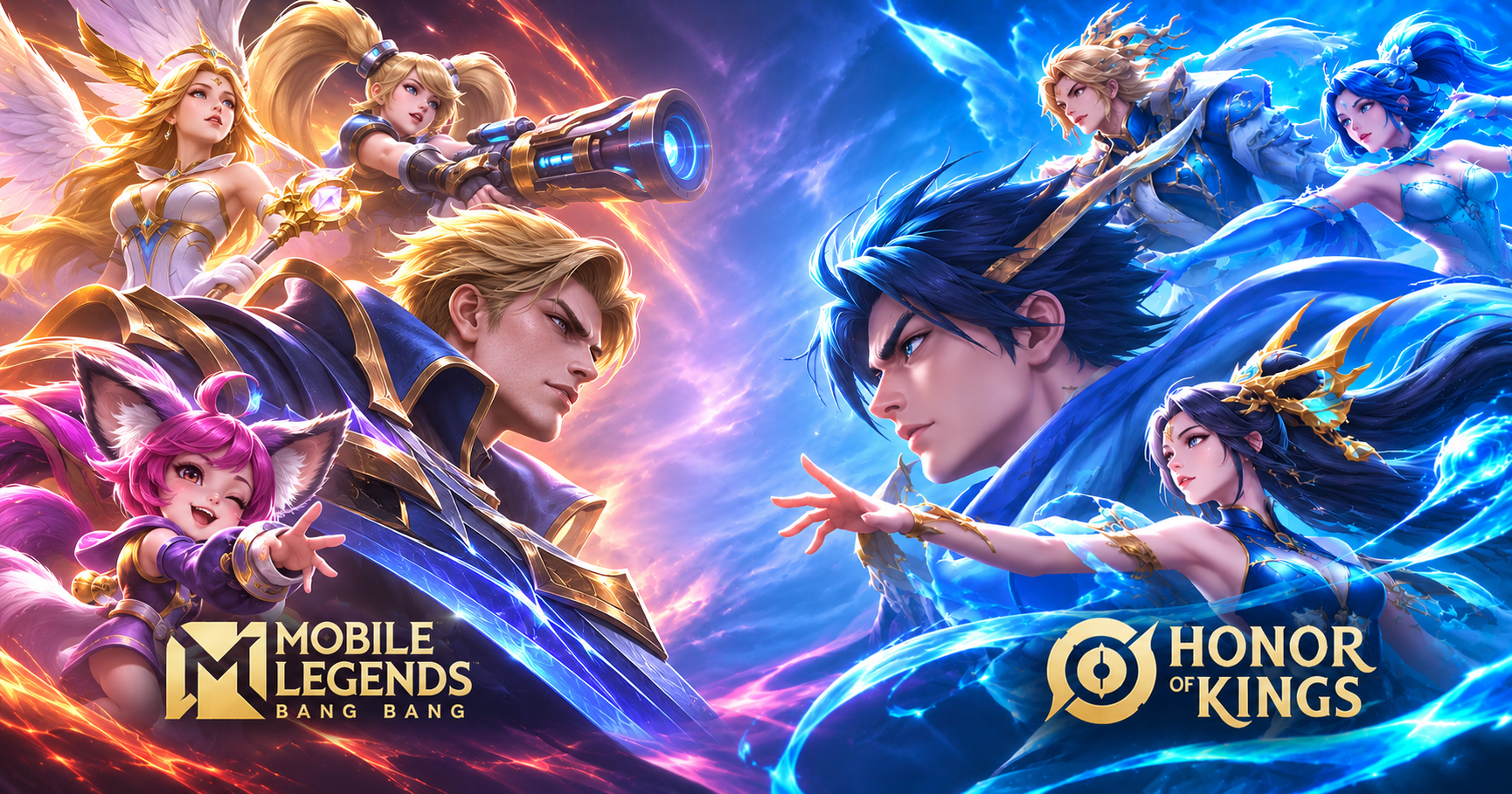
For a decade, Mobile Legends: Bang Bang (MLBB) has been one of the defining forces in Southeast Asian gaming. Its influence extends beyond the players competing in-game, supported by established esports leagues, professional teams, creators and deeply engaged local communities.
In 2025, MLBB ranked as the world's third most-watched esports title, behind League of Legends and Counter-Strike, according to Esports Charts. It was also the leading mobile esports title in the ranking.
But its position in Southeast Asia is no longer uncontested.
Tencent's Honor of Kings (HoK) is expanding its presence across the region, bringing significant investment, local partnerships and a clear ambition to compete for the mobile MOBA audience.
This is more than a battle between two popular games. It is a case study in how global publishers compete for relevance in a region where gaming culture is already well established.
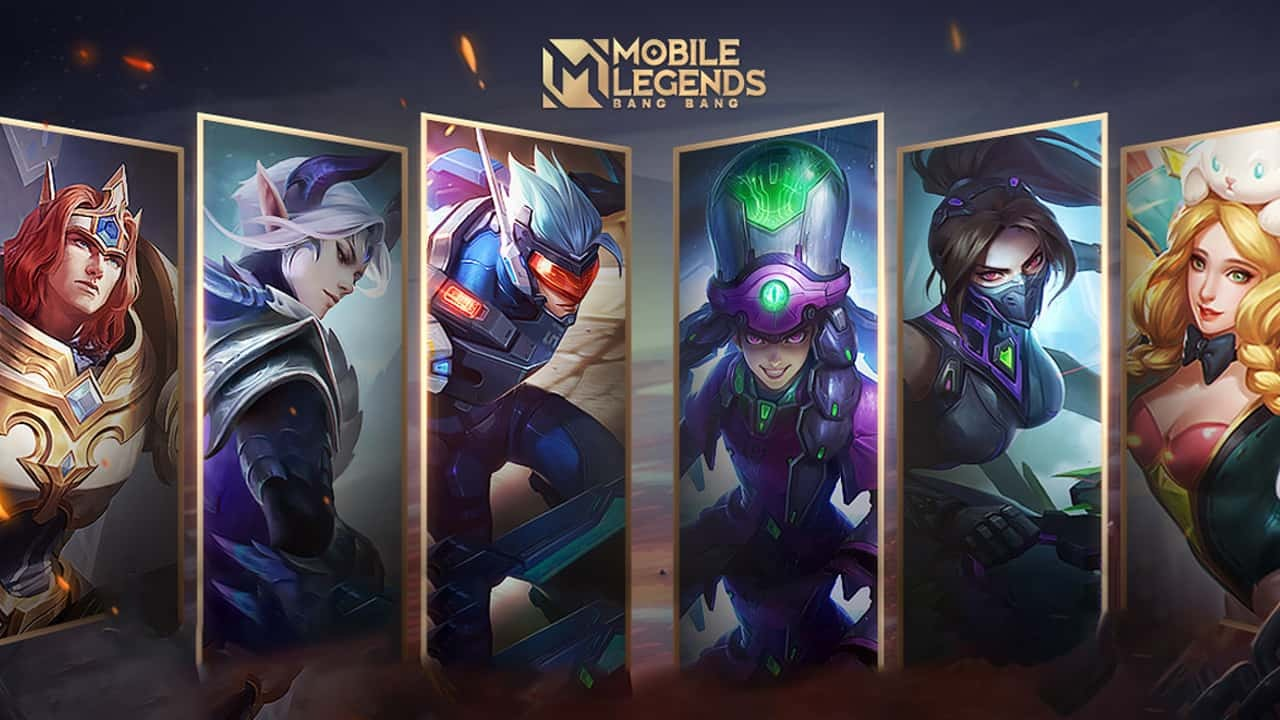
MLBB's strength comes from more than its gameplay. Over the years, it has developed an ecosystem connecting professional competition, local creators, livestreamers, teams and everyday players.
Its esports structure is particularly important. Competitions such as MPL Indonesia and MPL Philippines give fans regular opportunities to follow local teams, support familiar players and participate in conversations that extend well beyond the game itself.
This creates a powerful cycle: tournaments generate content, creators amplify the competition, communities build team loyalty, and that engagement brings players back to the game.
For a challenger, this is difficult to replicate. Entering the market means competing against an established gaming habit, not simply another mobile title.
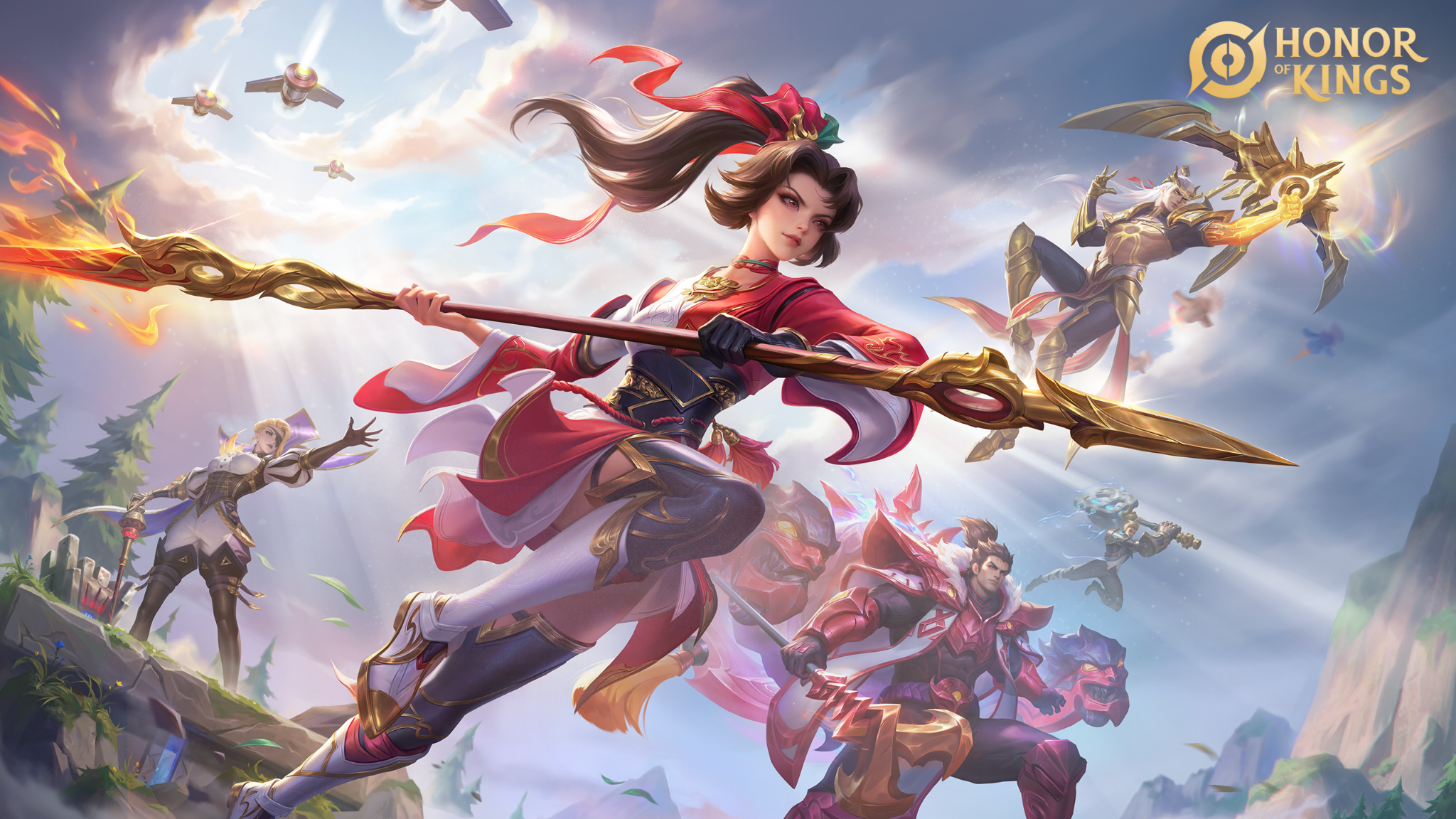
Honor of Kings is approaching the challenge with significant investment in localisation.
In Malaysia alone, the game has committed USD 12 million towards local creators, content co-production and celebrity collaborations. It is also introducing its first hero of Malaysian ethnicity, bringing local representation directly into the game.
Its competitive infrastructure is expanding too. The Malaysian league has grown to 10 teams, including Saudi organisation ROC Esports, with participating teams competing for a pathway to international tournaments such as the Honor of Kings World Cup.
These moves reveal something important about the strategy: localisation is not being treated as a translation exercise or a marketing campaign. It is being built into the game's content, talent ecosystem and competitive structure.
That is what a market-share fight looks like in Southeast Asia. Not just bigger prize pools, but local heroes, local creators and local culture becoming part of the game itself.
The rivalry between MLBB and Honor of Kings creates new opportunities for brands looking to reach gaming audiences across Southeast Asia.
Two publishers competing for the same audience can create more tournaments, creator programmes and partnership opportunities. As each game looks to grow its presence, brands may have more opportunities to participate in campaigns, esports activations and community-led initiatives.
The publisher that feels more relevant to Malaysian, Thai or Filipino players has an advantage in building meaningful connections. Local creators, cultural references, talent partnerships and in-game representation all contribute to that relevance.
For brands with established local roots, this creates an opportunity to work alongside gaming properties in ways that feel authentic to their audiences.
Gaming audiences are not defined by a single title. Players follow different games, creators and competitive scenes, and their interests can evolve.
Brands should consider building relationships around creators and communities, not just individual game partnerships. This can create more flexibility as audiences and the competitive landscape change.
MLBB has the advantage of an established regional ecosystem. Honor of Kings has the resources and ambition to challenge it, with localisation playing a central role in its expansion.
But the outcome will not be determined by investment alone.
The publisher that understands local players, earns the trust of gaming communities and builds a meaningful presence in each market will be better positioned for long-term growth.
For brands, the lesson is similar. Southeast Asia offers enormous opportunities, but reaching its gaming audiences requires more than securing visibility around a popular title.
It requires understanding the people, creators and communities that make each market unique.