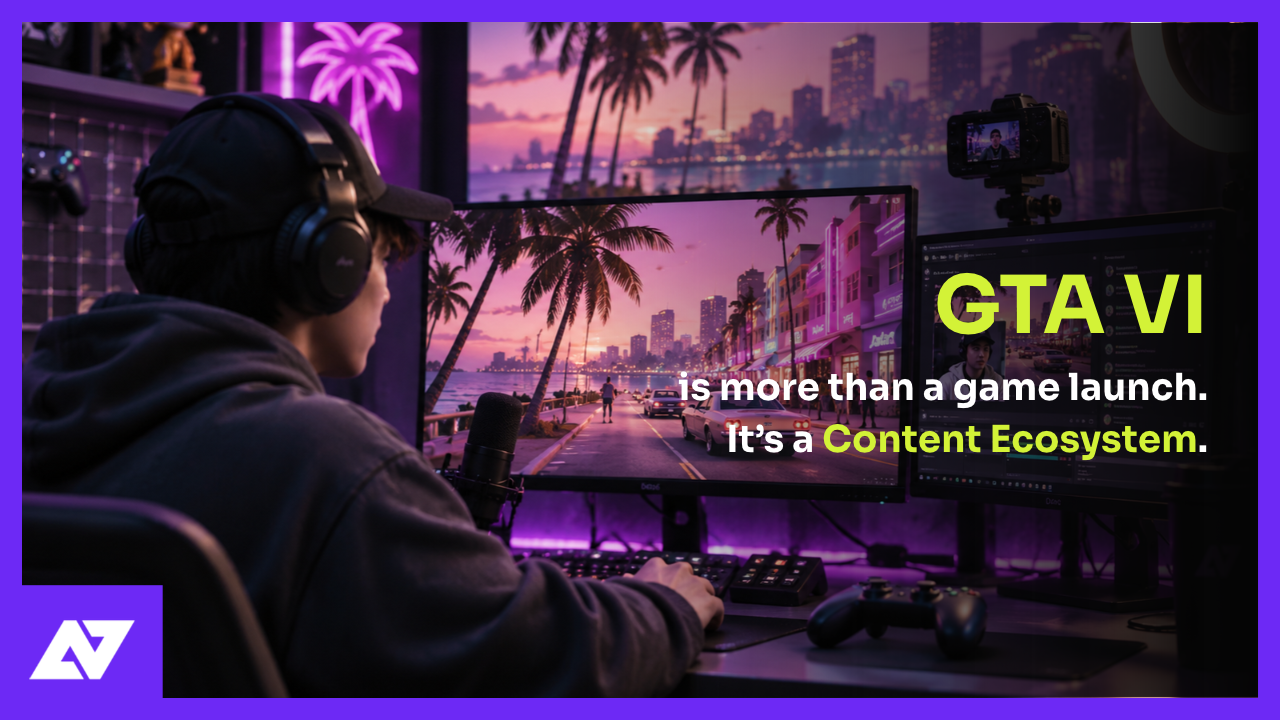
On November 19, Grand Theft Auto VI arrives after years of anticipation. For Rockstar Games, it's one of the biggest releases in the history of the franchise. For the gaming industry, it's also an opportunity to observe something much bigger than a game launch.
GTA has become a cultural phenomenon that extends far beyond the people playing it. Its world has inspired creators, generated countless online conversations and given gaming communities a shared universe to build their own stories around.
But while the game itself will launch globally, the way audiences engage with it won't necessarily look the same everywhere.
In Southeast Asia, where gaming communities have their own creators, languages, humour and content preferences, global gaming franchises can take on distinctly local identities.
The anticipation surrounding GTA VI is difficult to ignore.
According to YouTube's November 2026 Culture & Trends report, videos related to GTA VI have already generated more than 40 billion views globally before the game's release.
The wider Grand Theft Auto franchise has accumulated more than 900 billion lifetime views on YouTube. GTA V has also remained among the platform's ten most-viewed games every year since its release in 2013.
These figures demonstrate something unusual about the franchise: its relevance has continued well beyond the traditional gaming release cycle.
Fans haven't simply waited for the next instalment. They've continued watching gameplay, revisiting older content, following creators, discussing theories and sharing moments from the existing games.
The anticipation for GTA VI has therefore been building on an established cultural ecosystem rather than starting from zero.
The scale of the release has also attracted attention from platforms beyond the game itself. YouTube and Rockstar Games have announced launch-week creator programming, interactive features and a 24-hour global livestream.
This is an interesting development for the industry. A major game launch is no longer just a moment for publishers to communicate with players. It can become a major entertainment event across multiple digital platforms.
One of the reasons GTA has maintained such a strong presence online is the freedom it gives players to create their own experiences.
Its open-world environment has become a foundation for content that goes well beyond traditional gameplay.
Creators have developed challenges, stunts, comedy, investigations, video essays and roleplay stories using the game's world as their setting.
YouTube's research found that GTA roleplay content has accumulated more than 8 billion lifetime views, reaching an annual upload peak of 1.7 million videos in 2025.
Roleplay is particularly interesting because it transforms gaming into an ongoing entertainment format.
Creators develop characters, improvise situations and build stories alongside other players. Audiences return to follow those stories, much like they would follow an episodic series.
The format has also attracted audiences beyond traditional gaming creators. YouTube notes that virtual creators collectively streaming GTA roleplay made Grand Theft Auto the platform's most-watched livestreamed game in June 2024.
This demonstrates how a game's cultural reach can expand through different forms of entertainment and participation.
For publishers, the implication is worth considering: the experience developers create is only one part of the content ecosystem that can grow around a title.
Creators and communities can introduce new ways for audiences to discover, follow and engage with a game.
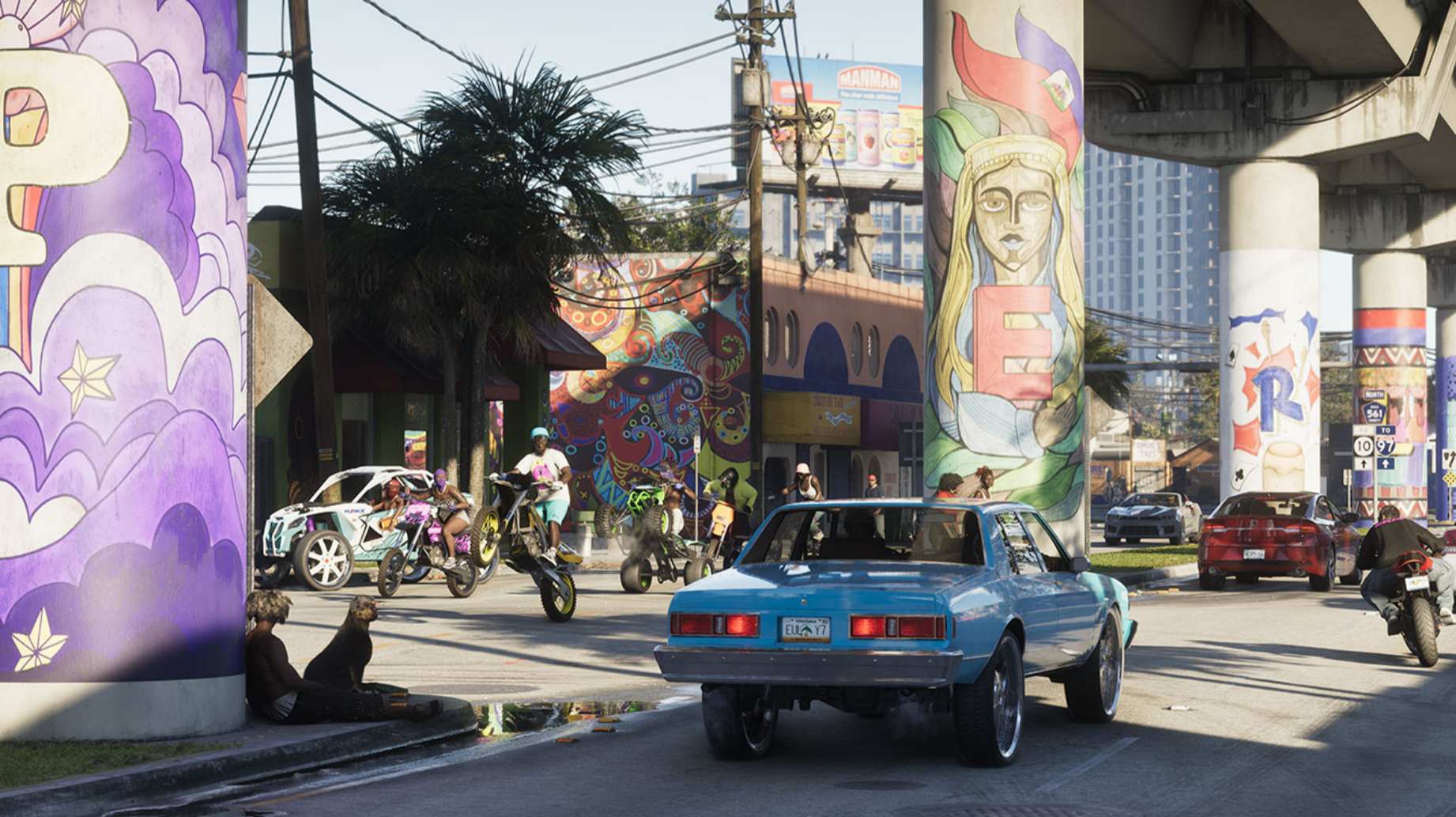
Global gaming franchises may share the same characters, environments and mechanics across markets. But the communities that grow around them can be very different.
Local creators bring their own language, humour, personalities and storytelling styles into gaming content. As a result, the same game can generate different forms of entertainment and community engagement across countries.
YouTube's report provides an interesting Southeast Asian example through Indonesian creator Jelool.
Jelool's content on the Hope Indonesia server combines chaotic roleplay with ongoing, character-driven stories. Rather than simply recording gameplay, the creator develops scenarios that audiences can follow through recurring content.
It's a useful illustration of how a global gaming property can become a locally developed entertainment experience.
And this is not simply about translating content into another language. Local creators can shape the way audiences experience a game through cultural references, familiar humour, community dynamics and formats that resonate with their viewers.
For publishers looking to grow in Southeast Asia, this creates an important consideration.
A global launch strategy may establish awareness, but local engagement requires an understanding of the communities and content ecosystems within each market.
Indonesia offers one example of this dynamic. Other Southeast Asian markets will have their own creators, gaming communities and audience behaviours that need to be understood individually.
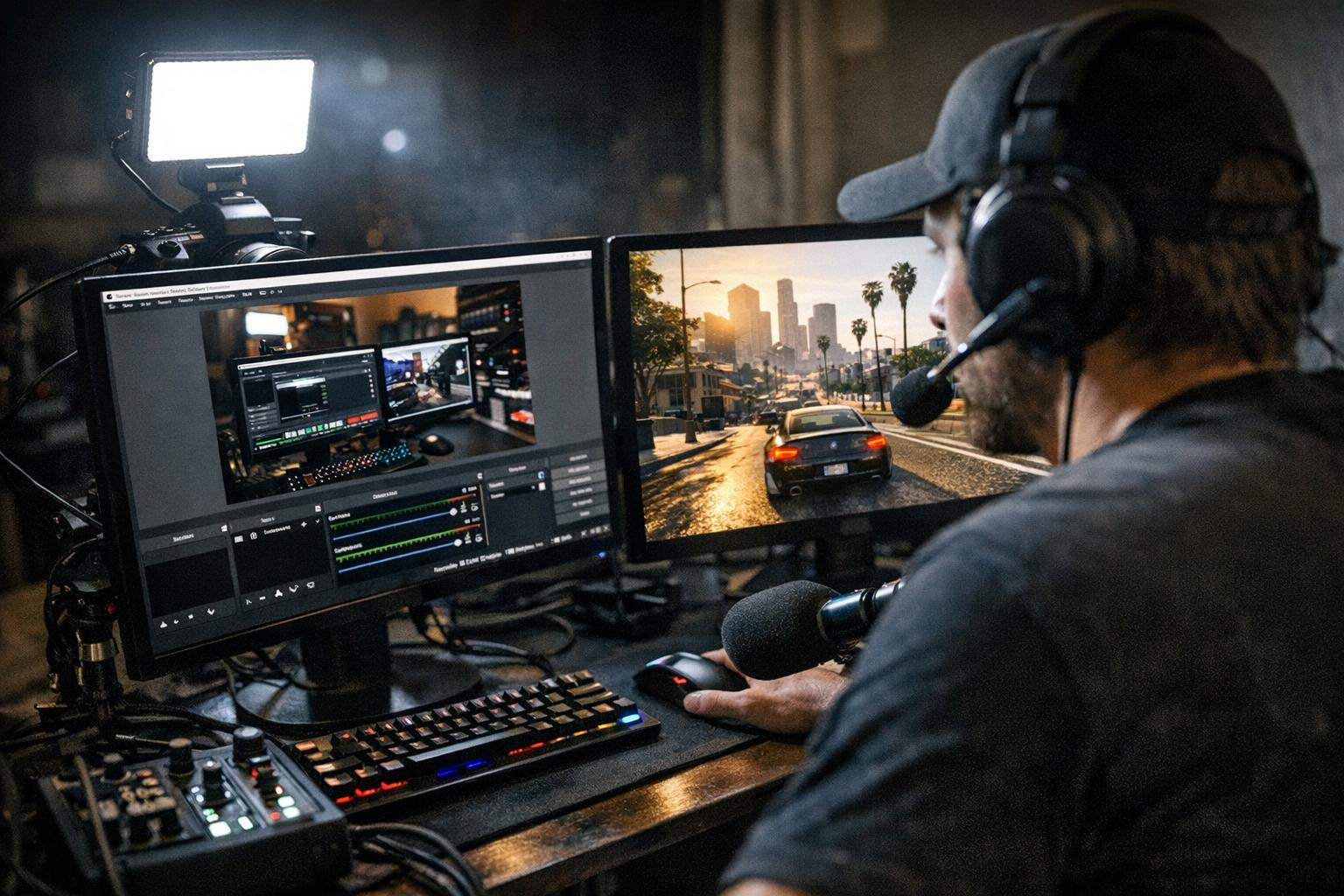
Another important aspect of GTA's cultural influence is the relationship between players and viewers.
Gaming audiences don't necessarily need to be playing a game themselves to become invested in its world.
They can watch creators, follow roleplay storylines, discuss characters, share clips and participate in conversations surrounding the game.
GTA roleplay is a particularly clear example. YouTube describes the format as a form of appointment viewing, with creators publishing regular streams, edited recaps and highlights that allow audiences to follow ongoing stories.
The audience becomes part of the wider experience, helping develop community lore, reacting to events and introducing new viewers to existing storylines.
This matters because it expands how publishers and agencies should think about gaming audiences.
The opportunity isn't limited to reaching people while they're playing. It also includes people watching gaming content, following creators and participating in communities.
For Southeast Asian markets, where local content formats and creator communities can differ significantly, understanding these viewing behaviours is just as important as understanding gameplay preferences.
GTA VI offers a timely example of how a global gaming release can generate attention across players, creators, platforms and communities.
For publishers and media agencies, there are several considerations worth taking from this.
1. Think beyond the launch window. A major release can generate significant initial attention, but the wider content ecosystem can continue creating opportunities afterwards. Consider how creators and communities can remain involved beyond launch.
2. Understand the local audience. A regional strategy shouldn't assume that gaming communities behave identically across Southeast Asia. Local creators, platforms, languages and content preferences all influence how audiences engage.
3. Recognise the value of viewing audiences. Players are only one part of the opportunity. Gaming content viewers, livestream audiences and community members also contribute to a game's cultural relevance.
4. Give communities room to participate. The most interesting gaming ecosystems often develop through shared experiences and community activity. Consider how audiences can participate in conversations and experiences around a title rather than simply receiving promotional messages.
5. Build partnerships around cultural relevance. Creators and gaming properties should be selected based on their connection to the intended audience, not simply their reach. The right partnerships can help a global title connect with local communities in more meaningful ways.
These considerations are not exclusive to GTA VI. They offer a broader perspective on how publishers can approach gaming audiences in an increasingly creator-driven and community-led entertainment landscape.
GTA VI will be one of the most significant gaming releases of 2026. But its cultural influence will extend beyond the game itself.
The creators who develop new content formats, the communities that build their own stories and the audiences who follow them will all contribute to shaping what comes next.
For publishers and partners looking at Southeast Asia, the opportunity is to understand these ecosystems and the local communities that bring global gaming properties to life.
At Ampverse, we work with brands and gaming partners to connect with gaming audiences across the region.
Through Ampverse Pulse, we support influencer activations, community event activations and Tier 1 IP sponsorships, helping partners engage with existing gaming audiences and properties.
Research & Further Reading